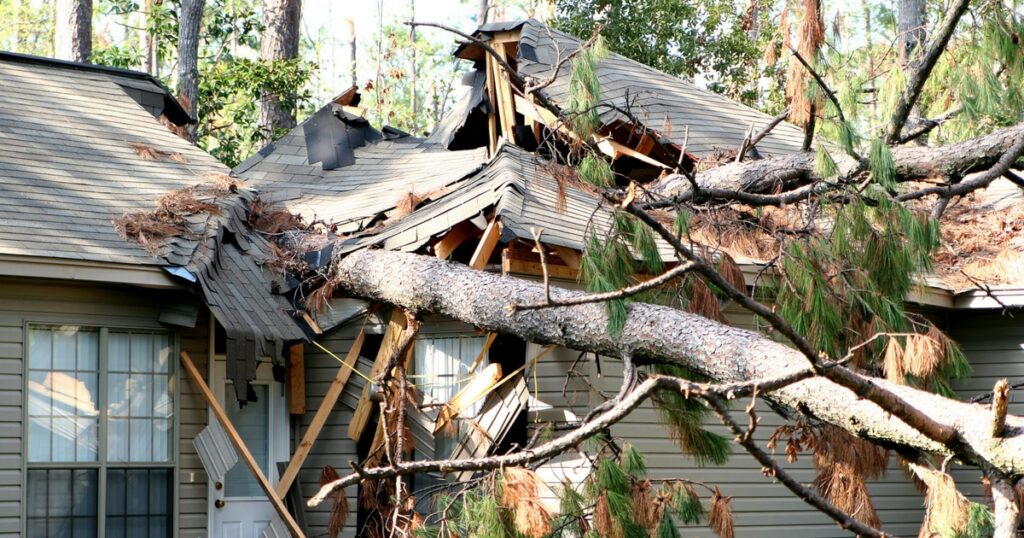

Water damage arrives fast and without warning. A pipe bursts in the wall, a storm pushes water inside, an appliance leaks overnight, or a roof issue lets rain soak the ceiling. No matter how it starts, the first day is extremely important. What you do in the first twenty four hours after water damage in Fort Myers will determine how much the situation spreads, how safe your home remains, and how expensive the repairs become.
Since Florida is known for heavy rain, humidity, and storm activity, water damage moves quicker here than in many parts of the country. Even a small amount of moisture can turn into structural issues and mold if it is not handled right away. Here is a complete guide to the first twenty four hours, written to help you take the right steps and protect your home and your safety.
1. Make sure the area is safe before going inside
Safety comes first. Water can damage wiring, weaken floors, and hide hazards that you cannot see at a glance. Before entering the affected area, check for the following:
• Sagging ceilings or bubbling paint, which can fall
• Electrical outlets or appliances exposed to water
• Slippery flooring
• Debris or damaged furniture blocking the path
If anything looks dangerous, step back and avoid entering. In Fort Myers, water from storms and floods may also contain bacteria or contaminants, especially if the source is outside runoff. If you are unsure, it is better to wait until a professional can inspect the area.
2. Stop the water source if possible
Once you know it is safe to move around, locate where the water is coming from. If a pipe is leaking or a toilet is overflowing, you can turn off the main water valve to stop additional damage. If the source is a storm or roof leak, place a bucket to catch dripping water and avoid standing under any bulging ceiling areas.
Stopping the source is the fastest way to prevent the situation from growing worse, and it makes every step after this point much easier.
3. Turn off electricity in the affected area
Water and electricity never mix. Even a small amount of moisture can create a dangerous situation. If water has reached outlets, cords, or appliances, turn off the power to that specific room from your breaker panel.
Avoid unplugging anything that is already sitting in water. Electricity can travel through standing water, making the situation unsafe. If you are unsure whether it is safe to touch anything, wait for a licensed professional.
4. Document everything with photos and videos
Before moving anything or starting cleanup, take clear photos and videos of all visible damage. This will help with insurance claims and make the process smoother later. Capture:
• Wet flooring and carpets
• Ceiling stains or leaks
• Damaged walls or furniture
• Any pool of water or moisture trail
Insurance companies often require proof of the damage and the condition of your home when the water was discovered. The more detail you capture in the first twenty four hours, the stronger your claim will be.
5. Remove standing water if it is safe
If there is only a small amount of water and there are no electrical risks, you can start removing standing water using mops, towels, or a wet vacuum. This step slows down mold growth and helps protect flooring and furniture from deeper damage.
In Fort Myers, humidity speeds up the spread of moisture, which means standing water needs to be handled quickly. Even an hour or two can make a difference in how far the damage travels.
However, if the water is deep, contaminated, or continues to enter the home, stop and wait for a professional water damage restoration team.
6. Move furniture and belongings to prevent further damage
Once water removal begins, move items like rugs, chairs, and electronics out of the affected area if they are still dry. Place aluminum foil or wood blocks under furniture legs to keep them out of damp carpet.
For items already wet, do not attempt to dry everything all at once. Some materials, especially wood and fabric, can warp or develop mildew if not treated correctly. Prioritize items that can be saved and consider leaving delicate or expensive items for professional evaluation.
7. Increase airflow to slow down moisture spread
After standing water is removed, open windows and doors to increase airflow if the weather allows it. You can also use fans to help dry surfaces faster, but avoid using ceiling fans if the ceiling shows any sign of weakness.
Fort Myers humidity can make drying more difficult, so airflow is crucial. Moisture trapped inside walls or floors can lead to mold in as little as one to two days, so starting this step early makes a major difference.
8. Do not ignore hidden water or moisture
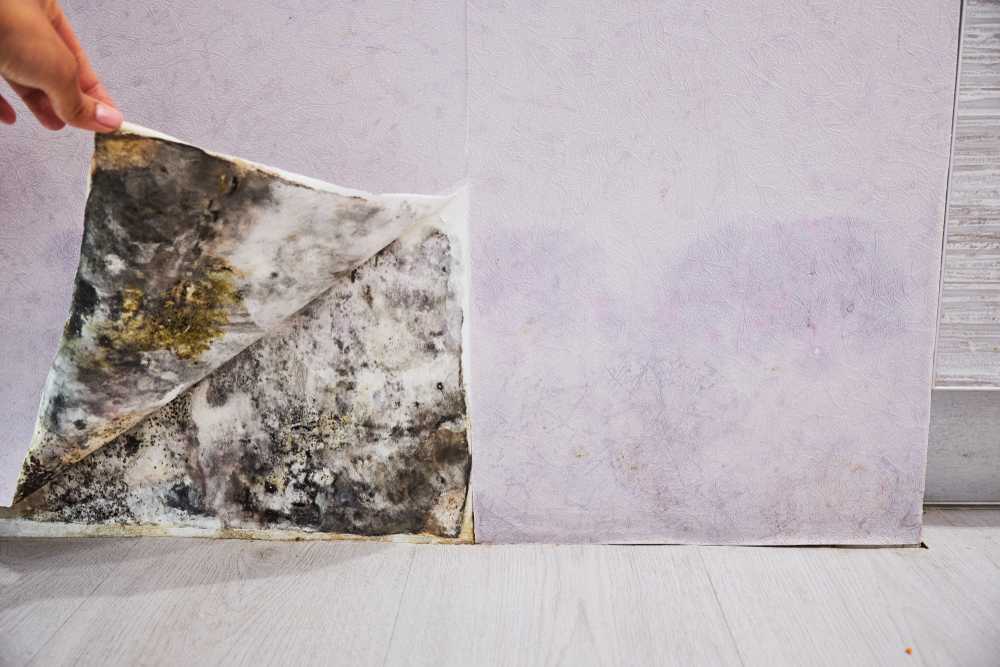
Water does not always stay visible on the surface. It can travel behind walls, under flooring, and into insulation. These hidden areas are usually where mold begins to form first.
If you see any of the following, you may have hidden moisture:
• Warping or buckling floors
• Soft or spongy walls
• A musty smell
• Discoloration spreading on drywall
• Condensation or dampness in corners
This type of moisture requires specialized equipment to detect and remove. If you notice any of these signs within the first twenty four hours, contacting a professional is extremely important.
9. Contact a water damage restoration company as soon as possible
Even if the damage looks small, water can move quickly and cause structural and health problems if not handled correctly. A professional restoration company uses moisture meters, industrial dryers, and thermal imaging to find water that you cannot see.
In Fort Myers, restoration teams are trained to handle storm related damage, roof leaks, burst pipes, and humidity driven moisture issues. They know how to stabilize the property, prevent mold, and start repairs in the correct order.
Calling a professional early helps:
• Reduce long term repair costs
• Prevent mold growth
• Protect drywall and flooring
• Restore structural strength
• Speed up insurance claims
Trying to handle everything alone often leads to bigger issues later.
10. Prevent mold growth within the first twenty four hours
Mold begins forming quickly in Florida’s climate. The warm air and high humidity create an ideal environment for mold spores, especially when water has soaked into materials.
To prevent mold in the first day:
• Remove as much water as possible
• Start airflow and drying early
• Keep humidity low with fans and ventilation
• Avoid closing off damp rooms
• Do not paint or seal wet surfaces
Paint and sealants trap moisture, allowing mold to grow beneath the surface even when the wall looks dry.
Professional drying equipment is often needed to completely remove moisture from inside walls and flooring. This is one of the main reasons early restoration services are so important.
11. Review your insurance policy and start a claim
Once the situation is under control, reach out to your insurance company and report the damage. Provide the photos and videos you collected earlier and give them a clear timeline of when you discovered the issue.
Insurance policies differ, especially in Florida, so do not assume everything is covered. Ask your adjuster what steps they require, what documentation is needed, and whether they recommend specific restoration companies.
A fast claim filing helps prevent delays once repairs begin.
12. Plan for repairs and long term protection
After the first twenty four hours, you should have a clearer understanding of:
• The source of the water
• How much damage occurred
• Whether mold is starting to form
• What repairs or reconstruction are needed
Common repair steps after water damage include:
• Drywall replacement
• Carpet removal
• Baseboard and trim repairs
• Structural drying
• Mold inspection or treatment
• Reconstruction of damaged areas
Your restoration company will guide you through the process, explain the timeline, and ensure that your home returns to a safe and stable condition.
Final Thoughts
The first twenty four hours after water damage are the most important. Acting quickly protects your property, reduces long term cost, and keeps you and your family safe. In Fort Myers, where storms, humidity, and coastal weather add to the risk, fast action is even more essential.
With the right steps and a trained restoration team, your home can recover smoothly and return to the clean, dry condition you expect.