Mold grows anywhere moisture is present, but in Florida, the problem develops faster and spreads farther than most homeowners expect. Warm temperatures, high humidity, frequent rain, and storm activity create an environment where mold can become active within days. For residents in Fort Myers, mold is not just a surface level issue. It is often a sign of hidden moisture inside walls, flooring, attics, and other areas that are difficult to see.
Understanding why mold forms and where it hides is one of the best ways to protect your home. Many people do not realize that mold often begins long before anyone notices a musty smell or discoloration on the wall. By learning the conditions that allow mold to grow and the places it develops most often, you can take steps to prevent serious damage and maintain a safe indoor environment.
This guide explains why mold is so common in Florida, the hidden sources of moisture that cause growth, and what homeowners in Fort Myers should watch for throughout the year.
1. Why Florida Weather Creates Ideal Conditions for Mold
The climate in Fort Myers creates a perfect combination of factors that encourage mold growth. Even homes that appear clean and dry on the surface may have moisture trapped inside building materials. Here are the main reasons mold is more common in Florida than in many other places:
High Humidity All Year
Florida’s warm air holds more moisture, which makes indoor humidity rise quickly. Even air conditioned homes can see humidity climb if the system is not removing enough moisture.
Once humidity inside a home reaches sixty percent or higher, mold can begin forming on walls, in closets, on furniture, and behind surfaces.
Frequent Rain and Storm Activity
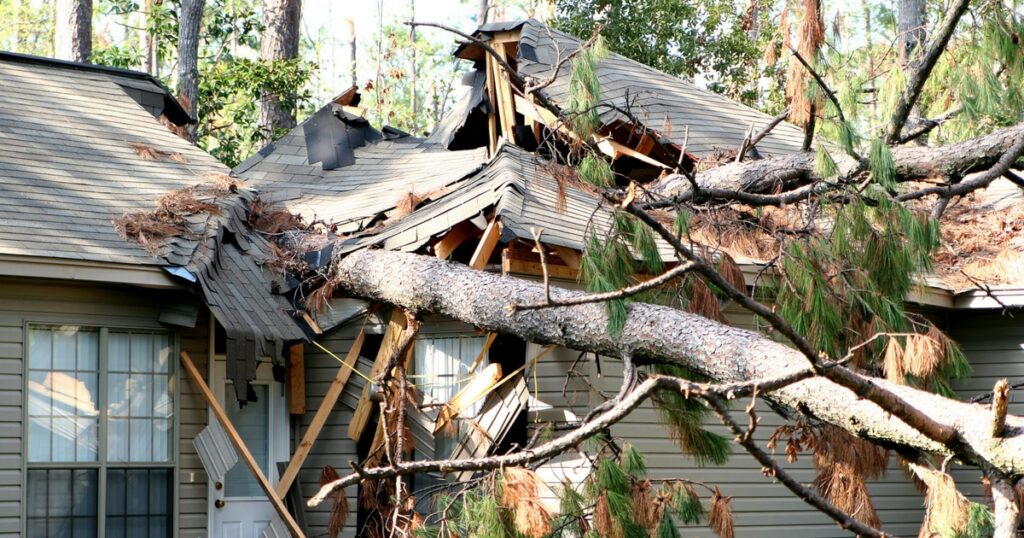
Heavy rainfall and strong winds can push moisture into small openings around the home. Roof leaks, window leaks, and damaged siding are common after storms.
Even a small amount of water entering repeatedly can create enough moisture for mold to grow.
Warm Temperatures
Mold thrives in warm environments. Florida rarely experiences temperatures low enough to slow down mold activity. This means once growth starts, it can continue year round unless treated.
Coastal Air Conditions
Salt air, warm breezes, and moisture blown in from the Gulf add to the humidity surrounding homes. This can cause condensation in attics, garages, and shaded outdoor areas that remain damp for long periods.
2. Hidden Moisture Sources That Lead to Mold in Fort Myers Homes
Many homeowners believe mold begins only after floods or major leaks, but the truth is far more subtle. Most mold problems start from slow, consistent moisture that builds up over time. Below are the most common hidden sources.
Attic Moisture and Roof Leaks
The attic is one of the first places mold takes hold in Florida. Storms, aging roofing materials, and poor ventilation can allow moisture to accumulate. Warm, damp air in the attic creates condensation on wood framing and insulation, leading to mold that spreads without anyone noticing.
Leaking Pipes Inside Walls
Small pipe leaks often go unnoticed because they do not release enough water to cause visible puddles. Instead, moisture slowly seeps into drywall and wood framing, creating the perfect environment for mold.
By the time discoloration appears, the problem may already be widespread.
Window and Door Seals
Wind driven rain, especially during storm season, forces moisture into small openings around windows and doors. If the caulking is worn or cracked, water can enter the wall cavity behind the frame, leading to mold that grows silently.
Condensation From Poor Ventilation
Areas like bathrooms, kitchens, and laundry rooms often develop mold because steam collects in enclosed spaces. If exhaust fans are weak or unused, moisture builds on walls and ceilings.
Over time, this leads to mold growth even without a leak.
Air Conditioning Issues
AC systems remove moisture from the air, but they can also create moisture problems if they are oversized, undersized, or not maintained properly. Water can collect in drip pans, vents, and ductwork.
If the system does not remove humidity effectively, mold may form around vents or in the air handler closet.
Foundation Moisture
Rain and groundwater can push moisture through small cracks in the foundation. This is especially common after long periods of heavy rain when the ground becomes saturated.
Moisture in lower walls and flooring can create mold in areas that are rarely inspected.
Improperly Stored Items
Boxes, clothing, and paper products stored in garages, attics, and closets can absorb moisture from the air. Mold grows quickly on these porous materials, and the spores can then spread to surrounding areas.
3. Warning Signs That Mold May Be Forming in Hidden Areas
Mold is often active long before you can see it. Here are the early signs homeowners should pay attention to:
• A musty odor anywhere in the home
• Increasing allergy symptoms or irritation
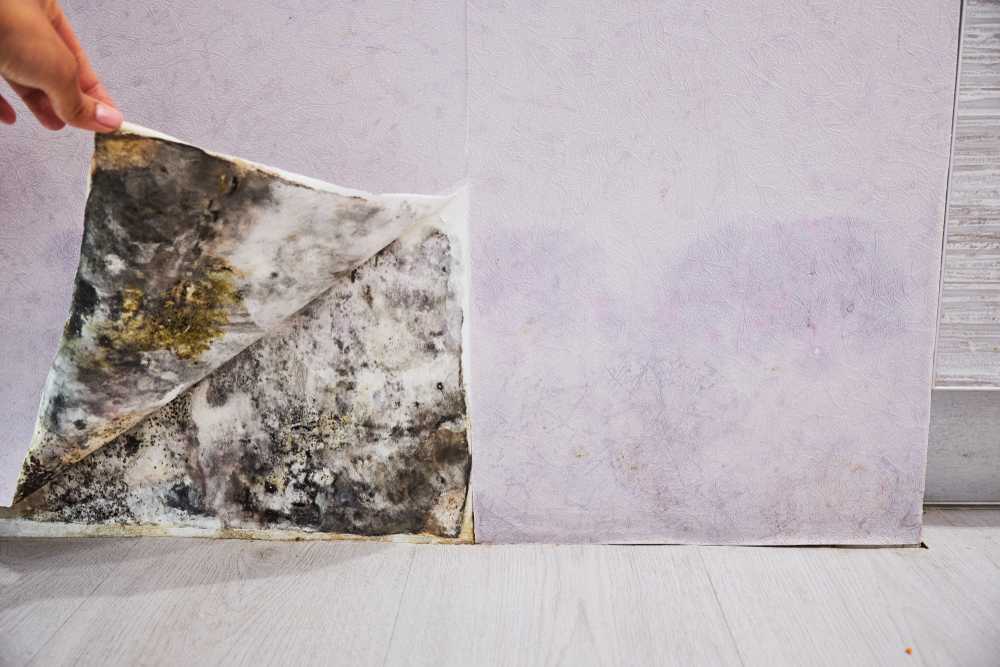
• Discoloration on walls or ceiling corners
• Warping or bubbling paint
• Soft or damp spots on drywall
• Condensation on windows
• Dark dust around air vents
• Hot or humid areas in the home despite AC running
Even if nothing visible appears, these signs often point to hidden moisture inside the structure.
4. Why Mold in Florida Spreads Faster Than Most Homeowners Expect
In Fort Myers, mold spreads more rapidly because conditions remain favorable throughout the year. The combination of warm temperatures and high humidity means mold spores stay active. Once moisture appears, spores settle and begin growing within twenty four to forty eight hours.
This is why early detection is so important. A small moisture problem today can become a widespread mold issue within a week if left untreated.
5. How Homeowners Can Reduce Mold Risk Before It Starts
Although Florida weather cannot be controlled, homeowners can take steps to reduce mold growth. These actions help limit moisture and keep the home dry.
Keep Indoor Humidity Below Sixty Percent
Use dehumidifiers if needed, especially in humid months.
Inspect the Roof Twice a Year
Look for damaged shingles, soft spots, or dark areas in the attic.
Check Windows and Doors After Storms
Make sure seals are tight and replace worn caulking immediately.
Use Exhaust Fans in Kitchens and Bathrooms
Let them run for several minutes after cooking or showering.
Service the Air Conditioner Regularly
A well maintained AC system helps remove moisture effectively.
Avoid Storing Items in Damp Areas
Use sealed plastic bins instead of cardboard boxes.
Clean and Inspect Under Sinks
Tiny leaks can lead to major mold issues if ignored.
These habits make a noticeable difference in preventing mold problems during humid or storm heavy seasons.
6. When Mold Testing Becomes Important for Fort Myers Homeowners
Mold testing helps determine the presence of mold, the type of mold, and the source of moisture causing it. You should consider mold testing when:
• You smell a musty odor but cannot find the source
• You recently experienced water damage
• You see stains, discoloration, or dark spots
• Your AC system is struggling to control humidity
• Someone in the home has unexplained breathing issues
• You suspect hidden moisture inside walls or ceiling spaces
Testing provides clarity and guides the correct treatment plan before the situation grows.
7. Why Professional Mold Removal Is Necessary in Florida
Mold cannot be fully removed with simple cleaning. Wiping the surface only treats the visible part, while the underlying growth continues to spread. Professional mold removal is needed because:
• The source of moisture must be corrected
• Spores can spread through the air if handled incorrectly
• Containment is required to protect clean areas
• Special treatments are needed to stop mold from returning
• Hidden growth must be detected and addressed
In Florida, where humidity quickly reactivates mold, professional work is essential for long term protection.
Final Thoughts
Mold is a common challenge for homeowners in Fort Myers, but it does not need to become a constant problem. Understanding how Florida’s climate encourages mold growth and learning where moisture hides inside the home can help you catch issues early. With proper ventilation, routine inspections, and quick action after storms or leaks, you can prevent mold from spreading and keep your home safe and healthy.
If mold is suspected or moisture has been discovered, mold testing and proper removal are the most reliable ways to protect your property and avoid long term damage.