
Storm season in Fort Myers brings heavy rain, rising water levels, strong winds, and a surge of moisture that can affect homes in ways many property owners do not expect. While most people think of water damage as something sudden and obvious, storm season often causes hidden issues that grow quietly behind walls, under flooring, and in attic spaces. The combination of warm air, high humidity, and frequent storms makes water damage a common challenge for homeowners throughout the area.
Understanding how storm season affects your home and knowing what steps to take before and after a major weather event can make a significant difference in keeping your property safe. This guide breaks down the main causes of storm related water damage in Fort Myers and explains how to prepare your home so you can reduce the risk and respond quickly when storms strike.
1. Why Storm Season Poses a Higher Risk for Water Damage
Fort Myers sits in a region where tropical moisture builds quickly, and storm systems can develop with little warning. Even a routine afternoon storm can drop several inches of rain in a short period of time. Here are the main reasons storm season increases water damage risk:
Heavy Rain Saturates the Ground
During storm season, repeated rainfall fills the soil around your home. Once the ground is saturated, water begins to collect around foundations, crawl spaces, and exterior walls. This increases the chance of leaks, seepage, and water entering through hairline cracks.
Wind Driven Rain Forces Moisture Into the Home
Strong winds can push rain into gaps around windows, doors, soffits, siding, and roof edges. Even a small opening can allow water to travel far inside the structure.
Roof Damage Becomes More Common
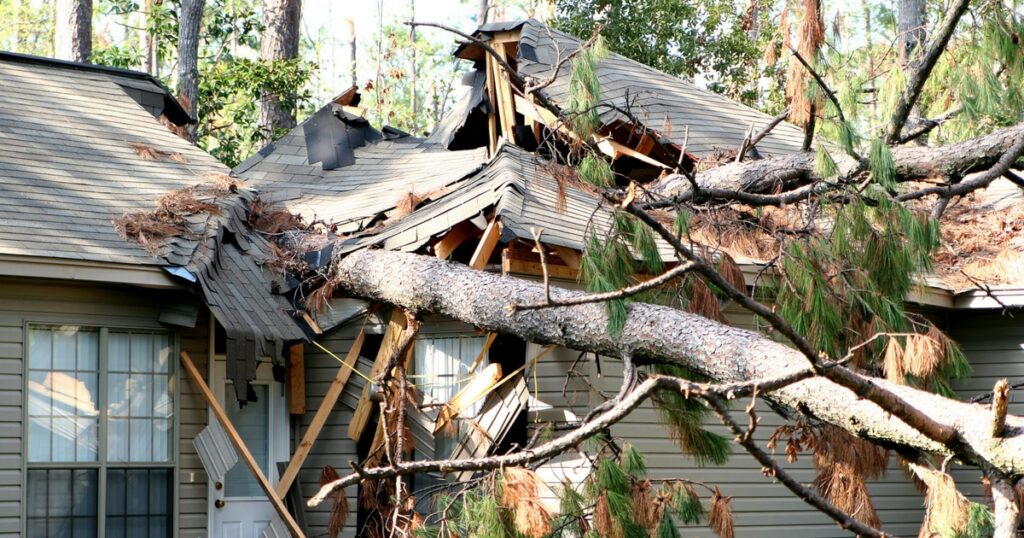
Shingles can lift, tiles can crack, and flashing can loosen during storms. Once this happens, rain can move directly into the attic, soaking insulation and ceilings.
Drainage Systems Get Overwhelmed
Gutters and downspouts often cannot handle heavy rainfall. When these systems overflow, water spills onto exterior walls and foundations, leading to moisture intrusion.
Humidity Stays High
High humidity slows the drying process, making even a small amount of moisture more likely to cause mold or structural problems.
Understanding these risks is the first step toward preparing your home for the months ahead.
2. The Most Common Types of Storm Related Water Damage in Fort Myers
Storm season creates predictable patterns of damage. Homeowners throughout the area often experience:
Roof Leaks
Leaks may start small but spread quickly when storms continue day after day. Many roof leaks go unnoticed until ceiling stains or sagging drywall appear.
Window and Door Leaks
Improper caulking, aging seals, or wind driven rain can force water directly into the interior.
Flooding in Low Areas
Homes built in lower elevation zones, or those with poor drainage, may experience flooding around entryways, garages, and patios.
Attic Moisture
Warm, wet air combined with a roof leak creates ideal conditions for mold.
Foundation Seepage
Water collects around the base of the home and eventually pushes through small cracks or weak spots.
Each of these issues has the potential to cause long term damage if not addressed immediately.
3. What Water Damage Looks Like After a Storm
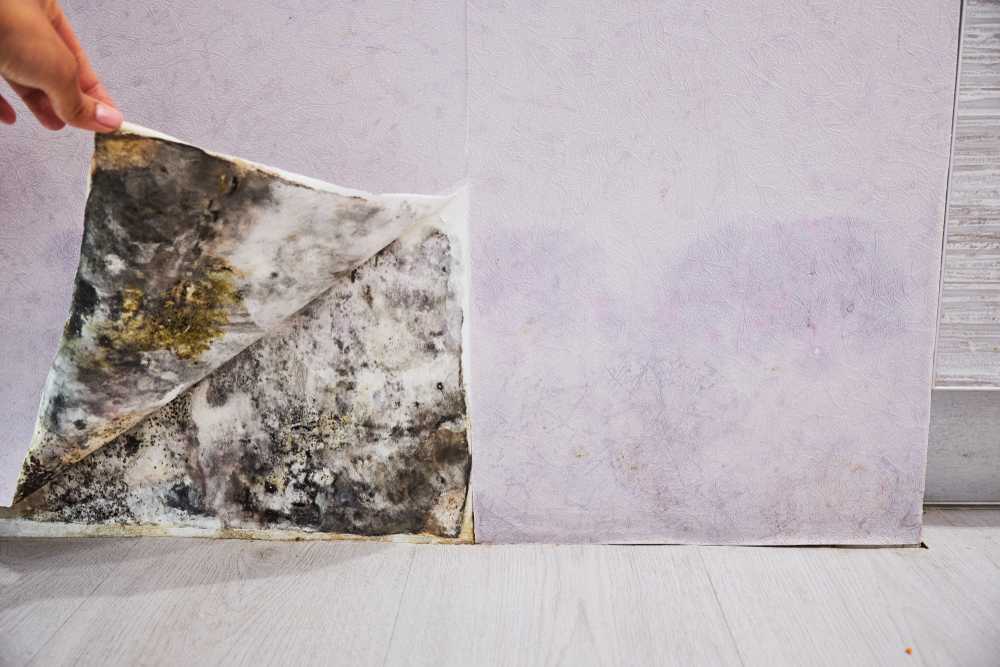
Water damage is not always visible at first. Some of the earliest signs include:
• Damp or soft spots on walls or ceilings
• Bubbling or peeling paint
• A musty odor anywhere in the home
• Warping on floors or baseboards
• Discoloration around windows or doors
• Dripping sounds inside walls
• Small pools of water near exterior walls
In Fort Myers, moisture often spreads faster because the warm climate speeds up absorption. What seems like a minor issue can grow quickly into mold or structural instability.
4. How to Prepare Your Home Before Storm Season Arrives
Taking preventive steps early can significantly reduce storm related water damage. Here are practical ways to protect your home:
Inspect the Roof
Check for loose shingles, cracked tiles, worn flashing, or soft spots. Addressing these issues early prevents rain from entering the attic.
Clean Gutters and Downspouts
Clogged gutters cause water to overflow and spill down exterior walls. Clearing them allows storm water to flow away from the property.
Check Window and Door Seals
Make sure caulking and weather stripping are intact. Replace cracked or damaged materials to prevent wind driven rain from entering.
Improve Yard Drainage
Ensure water flows away from the home. Regrade soil if needed or add drainage solutions like swales or French drains.
Inspect the Attic
Look for early signs of moisture, condensation, or small leaks. Fix them before severe storms arrive.
Test Sump Pumps if You Have One
Make sure pumps activate correctly and drain properly. A failed sump pump can cause major flooding during storms.
Trim Trees and Overhanging Branches
Fallen limbs can damage roofs, windows, and siding, leading to water intrusion.
Taking these steps in advance reduces the likelihood of major problems once storms begin.
5. What to Do Immediately After a Storm Hits Your Area
Even when you prepare well, storms can still cause surprise damage. After heavy rain or strong winds, do the following:
Walk Around the Exterior
Look for missing shingles, cracked tiles, bent gutters, and loose siding. Addressing these issues early prevents more water from entering during the next storm.
Check Inside for New Moisture
Examine ceilings, walls, and window frames for wet spots or discoloration. Even small marks may be signs of a larger problem.
Inspect the Attic
If it is safe, check for wet insulation or visible drips. This is often where roof leaks appear first.
Clear Blocked Drains
Storm debris can clog gutters or exterior drains, causing water to pool.
Document All Damage
Take photos before moving anything. This will help with insurance claims.
Call a Water Damage Restoration Company
Storm related water damage spreads quickly. Professionals can locate hidden moisture, dry the structure correctly, and stop mold from forming.
6. Why Professional Water Damage Restoration is Essential in Fort Myers
Storm damage is not just about visible water. Moisture often hides inside:
• Wall cavities
• Ceiling spaces
• Insulation
• Under flooring
• Around window framing
• Behind cabinets
Professional restoration teams use tools like moisture meters, thermal cameras, and industrial dryers to find water that homeowners cannot see. They also ensure the structure dries completely, reducing the risk of mold and long term damage.
Without proper drying, materials such as drywall, wood, insulation, and flooring can weaken, warp, or grow mold within a few days.
7. How to Reduce Future Storm Damage
Once you get through storm season, consider long term improvements like:
• Upgrading roofing materials
• Installing better drainage
• Sealing exterior walls
• Adding storm shutters
• Replacing old windows
• Increasing attic ventilation
These changes reduce the chance of repeat damage during future storms.
Final Thoughts
Storm season in Fort Myers brings challenges that every homeowner should prepare for. With heavy rain, strong winds, and constant humidity, moisture can enter your home in ways that are easy to miss. Understanding the risks and taking action before and after storms makes a major difference in protecting your property.
Preparation, fast response, and professional water damage restoration are the keys to keeping your home safe, dry, and stable no matter what the season brings.